
Flagship vs Mid-Range Phones: Which Should You Buy in 2026?

Quick answer: Choose a flagship if you want the best cameras, fastest performance, and longest software support. Choose a mid-range phone if you want excellent daily value for social media, streaming, work apps, and reliable battery life without overspending.
The flagship vs mid-range debate is one of the most searched smartphone questions every year. Marketing makes every launch sound essential, but your real needs decide the smarter purchase. This guide compares both categories in practical terms so you can spend money where it improves your experience.
If you are still exploring options, start with our mobile phones category and use the checklist below to narrow your shortlist.
What “flagship†and “mid-range†actually mean in 2026
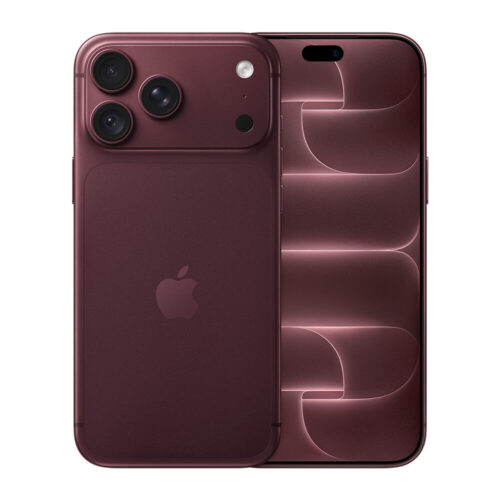
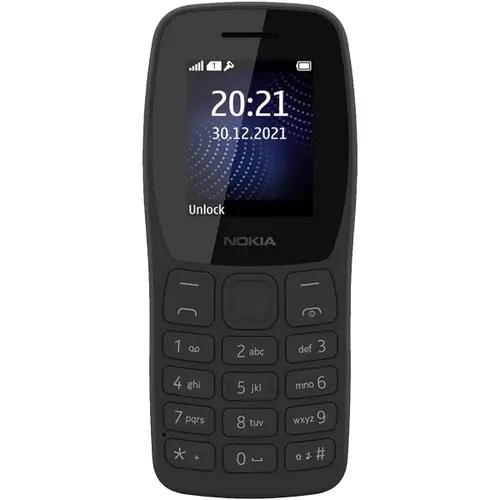
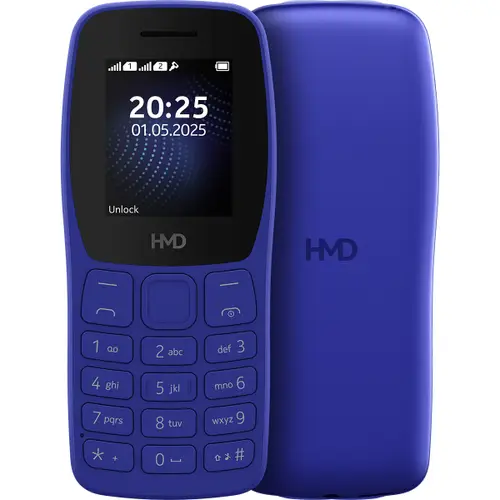
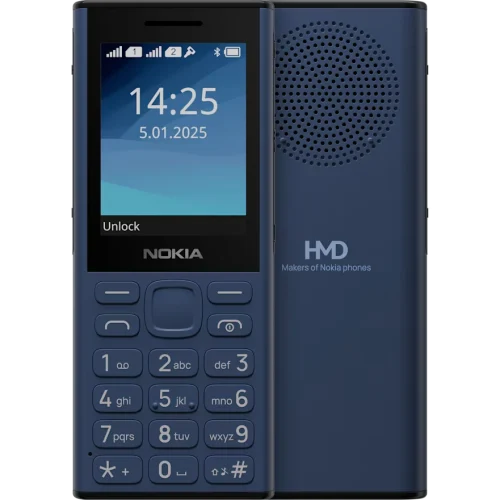
A flagship is usually the top model from a brand in a given year. It includes the newest processor, premium materials, advanced camera hardware, and the longest update promise. A mid-range phone focuses on balanced performance at a lower price, often matching last year’s flagship in several everyday tasks.
The gap has narrowed. Mid-range phones now offer high refresh displays, fast charging, capable cameras, and smooth multitasking. Flagships still lead in low-light photography, video tools, peak gaming stability, and premium build details.
Where flagships clearly win
Camera systems and video tools
Flagship cameras generally produce cleaner night shots, better zoom, and more consistent colors. Video creators also benefit from advanced stabilization, higher bitrate recording, and better microphone handling. If photography or content creation is central to your work or hobby, a flagship is easier to justify.
Peak performance and long-term smoothness
Top chips handle heavy gaming, 4K editing, and demanding apps with fewer temperature or frame-rate drops. Over two to three years, that headroom helps the phone stay responsive as apps become heavier.
Build quality and durability features
Premium glass, stronger frames, higher IP ratings, and refined haptics are more common in flagships. These details do not always show in a store demo, but they improve daily feel and long-term durability.
Where mid-range phones are the smarter buy
Most people spend their day messaging, browsing, watching videos, navigating maps, and taking casual photos. Mid-range phones handle these tasks extremely well. You also get more value if you refresh phones every two years, because you avoid paying for features you may not keep long enough to amortize.
- Better price-to-performance for everyday use
- Often excellent battery life and fast charging
- Good enough cameras for social content
- Lower repair and accessory costs in many cases
| Category | Flagship advantage | Mid-range advantage |
|---|---|---|
| Camera | Best low light, zoom, and video | Strong daylight social photos |
| Performance | Top gaming and creative apps | Smooth daily multitasking |
| Battery | Optimized, often wireless charging | Frequently great endurance per price |
| Software | Longest update cycles | Improving, but usually shorter |
| Price | Premium cost | Better value for most buyers |
Who should buy a flagship phone?
Buy a flagship if at least two of these are true:
- You shoot photos or video in low light often.
- You keep phones for 3+ years and want maximum update longevity.
- You play graphics-heavy games in long sessions.
- You want premium design, best speakers, and top display brightness.
- Your work depends on reliability and pro mobile tools.
Who should buy a mid-range phone?
A mid-range phone is likely the better choice if:
- Your budget is fixed and accessories still need room.
- You mainly use social apps, streaming, and productivity tools.
- You upgrade every 18 to 30 months.
- Battery life and charging speed matter more than zoom cameras.
- You want strong value without chasing every new feature.
Hidden costs people forget when comparing
The sticker price is not the full story. Factor in:
- Official warranty coverage and service center access
- Case, screen protector, and charger quality
- Storage needs (128GB can fill quickly with 4K clips)
- Resale value after two years
- Insurance or replacement cost if the phone is easy to damage
Sometimes a slightly cheaper mid-range phone plus a better accessory kit creates a more satisfying ownership experience than a bare flagship with no protection.
A practical recommendation matrix
Choose flagship for creators, heavy gamers, and long-term keepers. Choose upper mid-range for most professionals and students who want balance. Choose core mid-range if your priorities are calls, WhatsApp, maps, Netflix, and reliable battery life.
Still unsure? Pick your top two priorities only. If both priorities are camera quality and multi-year updates, go flagship. If both priorities are budget and battery, go mid-range.
Frequently asked questions
Is a one-year-old flagship better than a new mid-range phone?
Often yes for cameras and performance, especially if the older flagship still has strong software support and a healthy battery. Compare warranty status and current price before deciding.
Do mid-range phones lag after one year?
Well-optimized mid-range phones remain smooth for everyday apps. Lag usually appears when storage is almost full or when a device had weak software support from the start.
Which category has better battery life?
Many mid-range phones excel at battery endurance because of efficient chips and larger batteries. Flagships can also last all day, especially with adaptive displays and optimized software.
Should students buy flagship phones?
Only if photography, gaming, or long ownership is essential. Most students get better overall value from a strong mid-range phone and spend the savings on accessories or data plans.
Recent Posts
-
1

-
2

-
3

-
4



Copyright 2026 © Get Mobile Info. All rights reserved. Powered by SMF.
