
How to Choose a Smartwatch for Fitness and Daily Use
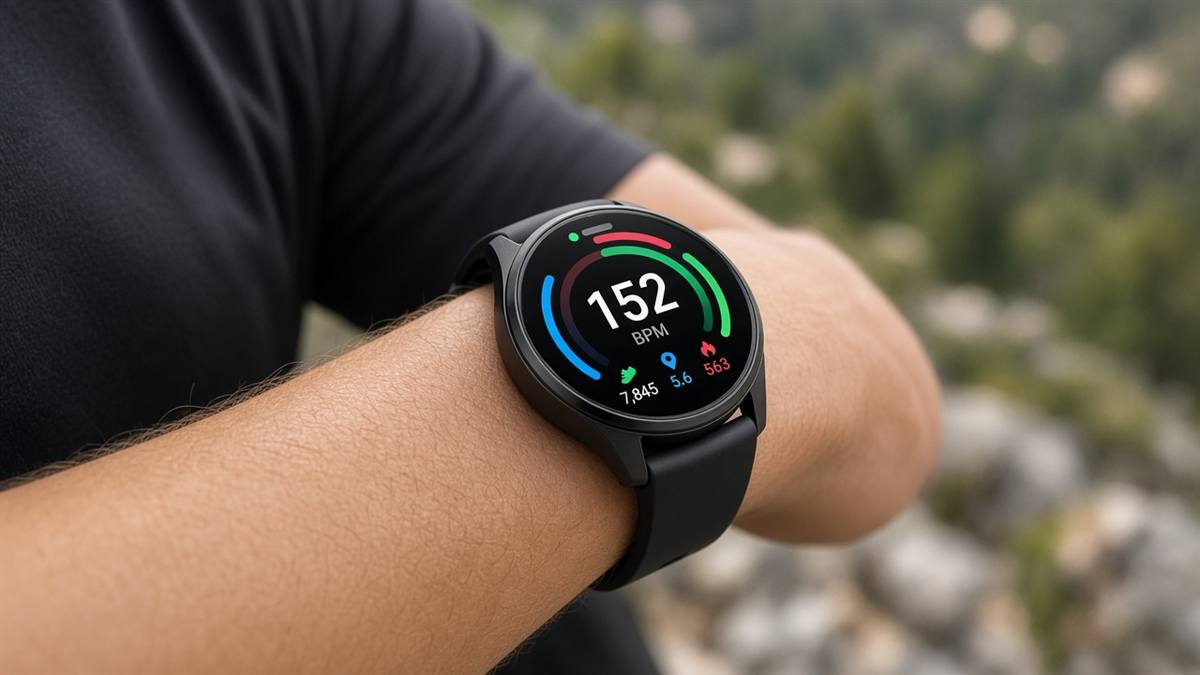
Quick answer: Choose a smartwatch based on your phone ecosystem, fitness goals, battery life needs, and comfort. Prioritize accurate heart-rate tracking, reliable notifications, and a strap you can wear all day. Fancy faces matter less than sensors, software support, and daily usability.
Smartwatches are no longer just notification mirrors. In 2026, they help people train smarter, recover better, and stay reachable without constantly opening a phone. The challenge is picking a watch that fits your lifestyle instead of overwhelming you with unused features.
Start browsing current models in our smart watches category, then use this buying guide to make a confident choice.
Step 1: Match the watch to your phone
Compatibility is the first filter. Some watches work best with specific phone brands, while others are more flexible. Before buying, confirm app support, notification reliability, call features, and whether firmware updates are active for your phone model.
If ecosystem lock-in is strong for your phone, choosing within that ecosystem usually means fewer sync issues and better long-term support.
Step 2: Decide your main use case
Most buyers fall into one of these groups:
- Fitness-focused: Needs strong workout modes, heart-rate tracking, and GPS options.
- Notification-focused: Wants calls, messages, and calendar alerts on the wrist.
- Health-monitoring-focused: Values sleep tracking, recovery insights, and all-day metrics.
- Style-focused: Cares about design, interchangeable straps, and comfort for workwear.
Pick one primary use case and one secondary use case. A watch that tries to win every category at a low price often compromises where it matters.
Fitness tracking features that deserve your money
For training and outdoor activity, prioritize:
- Reliable heart-rate tracking during walks, runs, and gym sessions
- Built-in or connected GPS for route accuracy
- Useful sport profiles you will actually use
- Water resistance suitable for rain, washing, or swimming
- Recovery and sleep insights that are easy to understand
Accuracy varies by fit and skin contact. A watch worn too loose will produce weaker sensor data no matter how premium the brand.
Battery life and charging habits
Battery expectations should match your routine. Daily charging is acceptable for feature-rich watches if you already charge devices at night. Multi-day batteries are better if you dislike frequent charging or travel often.
Always check real-world battery reports with always-on display settings in mind. Marketing numbers often assume darker, quieter usage profiles.
| Buyer type | Must-have features | Nice to have |
|---|---|---|
| Beginner fitness | Heart rate, step tracking, comfortable strap | GPS, advanced training load |
| Runner / cyclist | GPS, reliable HR, sport modes | Maps, offline music |
| Busy professional | Notifications, calls, long battery | NFC payments where supported |
| Health tracker | Sleep, recovery, all-day monitoring | Advanced wellness insights |
Comfort, size, and design details people ignore
A smartwatch only works if you keep it on. Check case size against your wrist, strap material for sweat and skin sensitivity, and whether the buckle stays secure during workouts. Lightweight watches improve sleep tracking compliance because they are easier to wear overnight.
Also consider display readability outdoors. A bright, clear screen is more valuable than animated watch faces you will disable after one week.
Software support and privacy basics
Choose brands that still push updates and maintain companion apps. Outdated watch software can break notifications or reduce measurement reliability. Review permission requests in the phone app and share only the health data you are comfortable syncing.
Smartwatch vs fitness band: which should you buy?
Buy a smartwatch if you want richer apps, better displays, and broader notification controls. Choose a fitness band if your priorities are lighter weight, lower cost, and core activity tracking. Many beginners get excellent results from a strong band and can upgrade later.
Final recommendation framework
Use this quick scoring method:
- Is it fully compatible with my phone?
- Does it cover my top fitness or notification need?
- Can I wear it comfortably for 12+ hours?
- Is battery life realistic for my schedule?
- Is warranty and app support trustworthy?
If you can answer yes to all five, you are ready to buy. If not, keep shortlisting. The best smartwatch is the one you will wear every day, not the one with the longest feature list.
Frequently asked questions
Do I need GPS on a smartwatch?
GPS is useful if you run or cycle outdoors without carrying your phone. If you mostly walk with your phone or train indoors, connected GPS or no GPS can still be enough.
Are smartwatch health readings medically exact?
Consumer smartwatches are helpful for trends and awareness, but they are not a replacement for clinical medical devices or professional diagnosis.
How tight should I wear my smartwatch?
Wear it snug enough for stable sensor contact, especially during workouts, but not so tight that it leaves deep marks or feels painful.
What battery life is good enough?
For most users, at least a full day with notifications and tracking is the minimum. Multi-day battery is better if you dislike daily charging.
Recent Posts
-
1

-
2

-
3

-
4



Copyright 2026 © Get Mobile Info. All rights reserved. Powered by SMF.
